
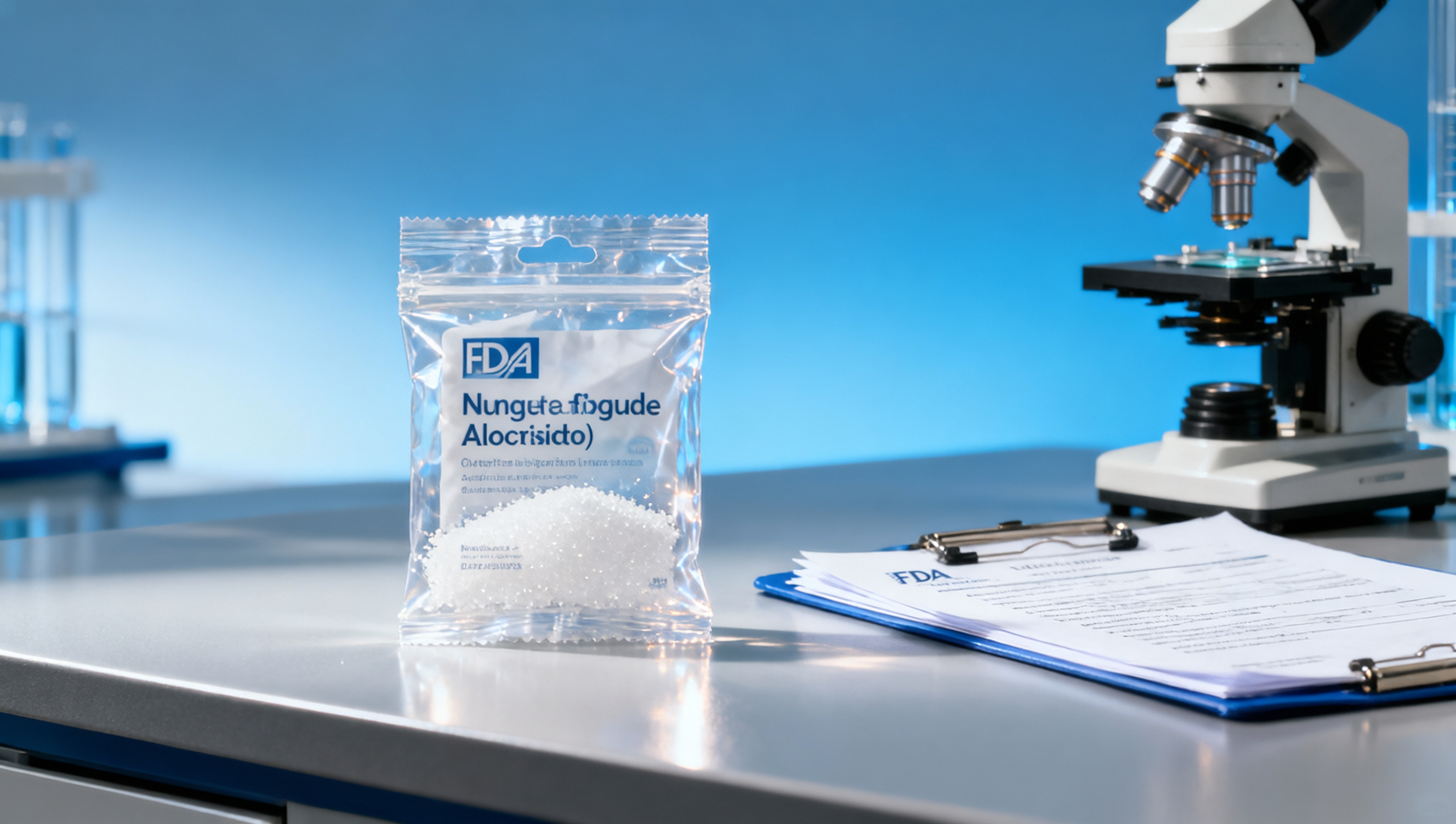
FDA Updates GRAS Pathway for Novel Sweeteners Like Allulose
On April 6, 2026, the U.S. Food and Drug Administration (FDA) issued updated guidelines requiring independent toxicology assessments for novel low-calorie sweeteners, including allulose, trehalose derivatives, and tagatose, to qualify for GRAS (Generally Recognized as Safe) status. This change significantly impacts food ingredient exporters, particularly those supplying alternative sweeteners to the U.S. market. The new requirements raise technical barriers and extend certification timelines, making compliance more challenging for manufacturers and suppliers.
Event Overview
The FDA's Supplemental Guidance for GRAS Determination of Novel Low-Calorie Sweeteners mandates that applicants (typically exporters or their U.S. agents) submit complete toxicology data packages for non-traditional sweeteners. The agency will no longer accept safety conclusions based on parent compound assumptions. This policy shift takes immediate effect for new submissions.
Industries Affected
Direct Exporters of Sweetener Ingredients
Companies supplying allulose, trehalose derivatives, or tagatose to U.S. food manufacturers face increased compliance costs. The requirement for original toxicology studies—rather than relying on existing data—will extend approval timelines by 12-18 months according to industry estimates.
U.S. Food and Beverage Manufacturers
Brands reformulating products with these sweeteners may experience supply chain disruptions. The policy could temporarily limit availability of GRAS-certified novel sweeteners, potentially delaying product launches.
Testing and Certification Service Providers
Third-party labs specializing in food additive safety assessments stand to benefit from increased demand for customized toxicology studies compliant with FDA standards.
Key Considerations for Businesses
1. Review Pending or Planned GRAS Submissions
Exporters with submissions in progress should immediately assess whether existing data meets the new requirements. The FDA has confirmed the guidelines apply to all pending applications.
2. Budget for Extended Timelines
Factor in additional 6-12 months for toxicology studies when planning product launches or ingredient sourcing. Early-stage collaboration with FDA-recognized testing facilities is advised.
3. Monitor FDA's Evolving Position
The agency may issue further clarifications on study design requirements. Stakeholders should track updates through the FDA's Constituent Updates system.
Industry Perspective
This move reflects the FDA's increasingly cautious approach toward novel food ingredients. While framed as a clarification, the policy effectively raises the evidentiary bar for GRAS status. The sweetener industry should view this as part of a broader regulatory trend toward requiring originator-specific safety data rather than category-wide approvals.
Conclusion
The FDA's updated GRAS pathway introduces material changes for alternative sweetener markets. Exporters and manufacturers should treat this as an operational (not merely procedural) shift, with significant implications for product development cycles and compliance strategies. The full industry impact will become clearer as early adopters navigate the new submission process.
Source
U.S. FDA: Supplemental Guidance for GRAS Determination of Novel Low-Calorie Sweeteners (April 6, 2026)
Navigation
Send Us A Message