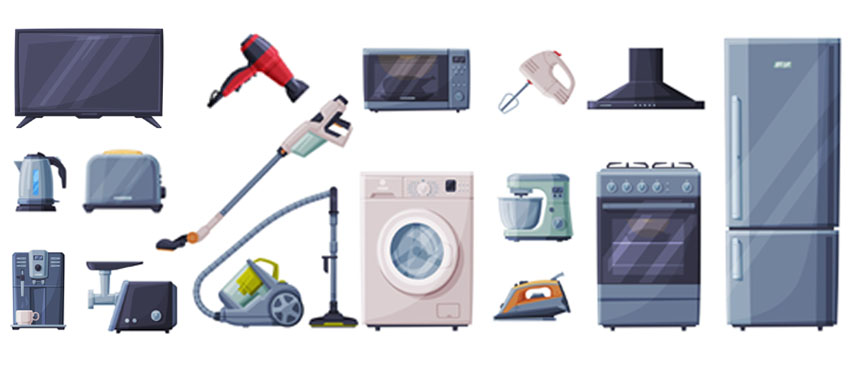
Product Description
"Halogen-Free" (HF)—also referred to in the industry as "Low Smoke, Halogen-Free"—does not, however, imply that a product is completely devoid of halogens. In the manufacturing and assembly of electrical and electronic products, if halogen compounds are not intentionally added to the raw materials, and the finished product contains no halogen compounds, the product may be designated as "halogen-free." Currently, the transition to "halogen-free electrical and electronic products" has garnered widespread consensus and has become a prevailing industry trend. We offer comprehensive, one-stop services, including halogen testing and expert consulting.
Business Challenges
How do you determine whether a product meets halogen-free requirements?
Why must electrical and electronic products comply with halogen-free requirements?
What are the primary applications of halogens in electrical and electronic products?
Service Background
Regulatory requirements regarding halogens originated in the PCB industry and have since gradually expanded to encompass a wider range of products and sectors; these requirements typically stem from industry associations and brand-name companies. Although there are currently no direct national laws mandating such controls, these requirements are frequently enforced as mandatory obligations within buyer-driven supply chains. Different industry specifications and internal corporate standards may impose varying requirements regarding halogens; generally, the specific materials or components requiring halogen control are identified based on the specific criteria outlined in the relevant corporate standards.
"Halogen-Free" (HF) is a term widely used in the industry—sometimes referred to as "Low Smoke, Halogen-Free"—though it is important to note that "halogen-free" does *not* imply that a product contains absolutely *zero* halogens. In the manufacturing and assembly processes of electrical and electronic products, if no halogen compounds are intentionally added to the raw materials, and the finished product contains no halogen compounds, the product may be designated as "halogen-free."
Halogen Testing
Currently, the "halogen-free initiative for electrical and electronic products" has garnered widespread consensus and emerged as a major industry trend. Given that different industry specifications and internal corporate standards may impose varying requirements regarding halogens, CTI (Huace Testing) offers professional halogen testing services. Accredited by both CNAS and CMA, CTI is qualified to conduct expert analyses of halogen content in electrical and electronic products in accordance with relevant testing standards, issuing test reports that carry international credibility.
1. Applicable Product Scope
Electrical and electronic products, as well as their raw materials.
2. Sample Requirements
Please contact our sales or customer service representatives for specific sample requirements, which are determined based on the applicable standards.
3. Test Methods / Evaluation Criteria
Test Method: Waste Characterization — Halogen and Sulfur Content — Oxygen Combustion in a Closed System and Determination Method (EN 14582-2016)
"Materials for Printed Boards and Other Interconnecting Structures — Part 2-21: Reinforced Base Materials, Clad and Unclad — Non-halogenated Epoxide Woven E-glass Reinforced Laminated Sheets, Copper-clad (Vertical Burning Test)" (IEC 61249-2-21)
Evaluation Limit Requirements: The content of Bromine (Br) shall not exceed 900 ppm; the content of Chlorine (Cl) shall not exceed 900 ppm; and the total halogen content shall not exceed 1500 ppm.
Corporate Control Requirements.
Solutions
- Halogen Testing
- Halogen Substance Risk Assessment
- Training and Consulting Services
Customer Reviews
Get In Touch With Us
If you want to get the latest progress of the product, please fill in the form below, we will get in touch with you as soon as possible.